 Dra. Cléo Salustiano
Night guard for bruxism in Mooca – custom-made by Dr. Cléo Salustiano
Open every day, 8 a.m. to 10 p.m., including Sundays and public holidays
A night guard (occlusal splint) is a custom-made acrylic appliance, usually worn while sleeping, that sits between the upper and lower teeth. It does not cure bruxism, but it protects teeth, fillings and veneers from the wear of grinding or clenching and spreads the bite force. At Dr. Cléo Salustiano’s office (CRO-SP 170844) in Mooca, the guard is planned from an assessment of your bite and adjusted in the mouth.
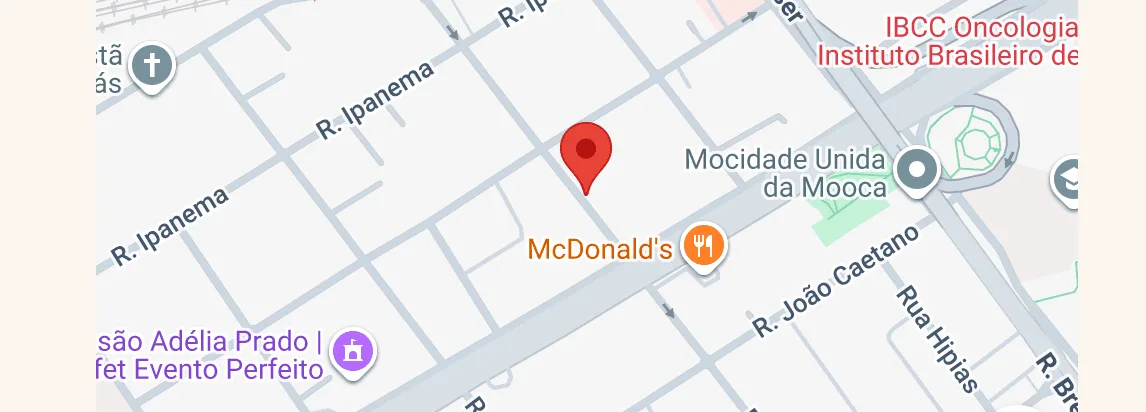
The office is at Rua Hipódromo, 1141, in Mooca, about a 6-minute walk from Bresser-Mooca subway station, and is open every day, 8 a.m. to 10 p.m., including Sundays and public holidays, by appointment. It is a private practice (dental insurance plans are not accepted). Care is available in English and Spanish. To learn more about bruxism, see bruxism: signs, effects and treatment.
5.0 on Google · 153 reviews · See all reviews →
“… Muito atenciosa, dedicada e cuidadosa. O espaço dela é muito acolhedor e calmo, o que faz toda a diferença para nós ansiosos. …”
Bruna G. · Google“… explica tudo detalhadamente, minuciosa da entrada até o final do atendimento. …”
Nicoly S. · Google“Encontrei a Dra Cléo, aqui pelo Google para tratar uma emergência, acabou que virou a dentista da família! …”
Daniela F. · Google
Reviews written in Portuguese, shown as posted on Google.
Book an assessment on WhatsAppWhat a night guard is
Bruxism is the habit of grinding or clenching the teeth, asleep or awake. The force can be much greater than in normal chewing, and over time teeth become shorter, chipped or cracked and sensitive.
A dentist-made guard is hard, covers one arch and has its surface adjusted so the opposite teeth touch it evenly. The wear then goes to the guard instead of the teeth, fillings or veneers.
Ready-made guards sold in pharmacies and shops, usually of softer material and shaped at home, are a generic option. A custom guard is different because it is made from an impression or scan of your mouth, in hard material, with the bite adjusted and reviewed by the dentist over time. If you already use a ready-made guard, bring it to the visit.
Who it is for
- People who grind or clench
- Common signs: flattened tooth edges, chips, a tired jaw on waking, morning headaches at the temples and grinding noise heard by a partner.
- People with veneers or crowns
- The guard protects cosmetic work from bruxism forces. See composite veneers with teeth grinding.
- Enamel wear
- Worn teeth need protection before and after being restored. See tooth enamel wear.
- Sleep
- Loud snoring, breathing pauses or daytime sleepiness call for a medical sleep assessment, which may change the type of guard.
How it works, step by step
- AssessmentExam of the teeth, wear, chewing muscles, jaw joint and bite, plus existing fillings, veneers and crowns.
- Impression or scanThe record of your mouth and bite goes to the lab, which makes the custom guard.
- Fitting and adjustmentThe guard is tried in and the bite contacts are adjusted. You learn how to put it in, take it out and clean it.
- Follow-upThe guard is checked and readjusted in the first weeks and at regular check-ups.
How many visits and how long it takes
Usually two visits to start: one for assessment and impression (or scan) and one for fitting and adjustment a few days later, depending on the lab. Then come follow-ups.
In the first days it is common to feel the guard and salivate more; most people adapt within a few days. If it feels tight, come back for an adjustment.
Caring for your night guard
- Cleaning
- Brush it with a soft brush and mild soap and rinse in cold water. Avoid abrasive toothpaste.
- Heat
- Do not use hot water or leave it in the sun or in a car: heat can warp it.
- Case
- Store it dry in its case, away from pets.
How to get to the office
- Subway
- Line 3-Red to Bresser-Mooca station. From the station to the office it is about 400 meters, a flat 6-minute walk along Rua Hipódromo.
- Car
- Via the Radial Leste avenue. There are parking lots near the office. Check the travel time in your maps app before you leave.
Address and contact
 View map
Frequently asked questions
Does a night guard cure bruxism?
+
No. It protects teeth, fillings and veneers and spreads the bite force, but the habit may continue. Managing bruxism also involves habits, stress and, when indicated, a sleep assessment.
What is the difference between a custom guard and a pharmacy guard?
+
A ready-made guard is generic and shaped at home. A custom guard is made from an impression or scan of your mouth, in hard material, with the bite adjusted and reviewed by the dentist.
Do I need a night guard if I have veneers?
+
If you have veneers and grind or clench, a guard is usually recommended to protect them. This is assessed before and after the veneers are placed.
Do I need to wear it every night?
+
Usually yes, during sleep. Some people also wear it at certain times of the day. You will be advised at the visit.
How much does a night guard cost?
+
It depends on the type of guard, the material and the lab. The cost is presented after the assessment.
Are you open in the evening, on Sundays and on holidays?
+
Yes. Patients are seen every day, from 8 a.m. to 10 p.m., including Sundays and public holidays, always by appointment.
Do you accept dental insurance?
+
No. This is a private practice: the office does not work with dental insurance plans. This allows each appointment the time it needs, with materials and planning chosen case by case. Treatment options and payment terms are explained at the assessment, before any decision. If you have a dental plan and want to ask about reimbursement, message us on WhatsApp at +55 (11) 97409-7834 before booking.
See also
- Bruxism: signs, effects on your teeth and treatment options →
- I Grind My Teeth: Can I Get Composite Veneers? →
- Tooth Enamel Wear: Causes, Signs and Whether It Can Be Restored →
- Oral rehabilitation in Mooca →
- Veneer repair in Mooca →
- Dental fillings in Mooca →
How your first appointment works
Before any treatment, the path is the same, and each step is explained calmly:
- Photo pre-assessment (optional)If you like, you send photos of your smile on WhatsApp and receive initial guidance on what the appointment needs to check. It does not replace the exam.
- Assessment appointmentAn exam of your teeth, gums and bite, and a conversation about what bothers you. The assessment takes about 30 minutes.
- Treatment plan, explainedThe plan is presented before any decision: what is indicated in your case, the steps and what each one involves. You decide in your own time.
- Treatment and follow-upOnce you approve the plan, treatment is done in the agreed sessions, with a follow-up visit for adjustments and periodic maintenance when the treatment calls for it.
Every case is assessed individually: what is possible for your smile is only defined at an appointment. Read more: what a first dental appointment is like →