 Dra. Cléo Salustiano
Preventive dentistry in Mooca – check-ups with Dr. Cléo Salustiano
Open every day, 8 a.m. to 10 p.m., including Sundays and public holidays
Preventive dentistry means regular follow-up to find and treat problems early. At a routine visit (the check-up), the dentist examines your teeth, gums and bite, does a professional cleaning when needed and gives home-care advice. For most people the interval is about 6 months, but it can be shorter or longer depending on individual risk.
The office is at Rua Hipódromo, 1141, in Mooca, about a 6-minute walk from Bresser-Mooca subway station, and is open every day, 8 a.m. to 10 p.m., including Sundays and public holidays, by appointment. It is a private practice (dental insurance plans are not accepted). Care is available in English and Spanish. Visits are with Dr. Cléo Salustiano (CRO-SP 170844). For the cleaning itself, see dental cleaning.
5.0 on Google · 153 reviews · See all reviews →
“… Marquei uma consulta de revisão e limpeza e gostei demais de como foi tudo. …”
Thiago T. · Google“… Ela foi super atenciosa, cuidadosa e explicou tudo direitinho durante o procedimento. …”
Giovanna M. · Google“… Ela ainda explicou cada etapa, deu orientações de higiene que ninguém nunca tinha me dado e me deixou completamente a vontade do começo ao fim. …”
Edson M. · Google
Reviews written in Portuguese, shown as posted on Google.
Book an assessment on WhatsAppWhat a preventive visit is
Cavities and gum disease often start without symptoms. Found early, treatment tends to be simpler and quicker. The preventive visit combines the exam, the cleaning and measures that help protect the teeth, such as fluoride and sealants.
The check-up is also when existing work is reviewed: fillings, veneers, crowns, implants and night guards.
Who it is for
- Anyone who has not seen a dentist in over a year
- Many problems give no signs at first.
- People with veneers, crowns or implants
- Check-ups help look after the work and the gums around it.
- Bleeding gums or bad breath
- These can be signs of gum inflammation.
- Before whitening or cosmetic work
- Whitening and veneers start with a healthy mouth: cavities and tartar are treated first.
- Higher cavity risk
- Dry mouth, frequent sugar, braces or many fillings call for closer check-ups.
How the routine visit works, step by step
- ConversationHealth history, medication, habits and any concerns.
- Clinical examTeeth, gums, tongue, cheeks, bite and existing dental work.
- X-rays, when neededThey show cavities between teeth and problems not visible in the exam.
- Professional cleaningRemoval of plaque, tartar and surface stains, plus polishing.
- Fluoride and sealants, when indicatedFluoride strengthens enamel; sealants close deep grooves on back teeth.
- Plan and next check-upAny treatment needed is explained and booked separately, and your next check-up interval is set.
How often to see the dentist
| Situation | Usual interval between check-ups |
|---|---|
| Healthy mouth, low cavity risk | Every 6 months to 1 year |
| Veneers, crowns or implants | Usually every 6 months |
| Gingivitis, periodontitis or heavy tartar | Every 3 to 4 months, as advised |
| Braces or aligners | According to orthodontic follow-up, with regular cleanings |
The interval is set individually at the visit. More in how often to get a dental cleaning.
How long the visit takes
A routine visit with cleaning usually takes 40 minutes to 1 hour. With heavy tartar or inflamed gums, the cleaning may be split into more than one session.
Home care between visits
- Brushing
- Two to three times a day with fluoride toothpaste, including the gum line.
- Flossing
- Every day, to clean between the teeth.
- Sugar
- Have sweets with meals rather than throughout the day.
- Toothbrush
- Replace it every 3 months or when the bristles splay.
How to get to the office
- Subway
- Line 3-Red to Bresser-Mooca station. From the station to the office it is about 400 meters, a flat 6-minute walk along Rua Hipódromo.
- Car
- Via the Radial Leste avenue. There are parking lots near the office. Check the travel time in your maps app before you leave.
Address and contact
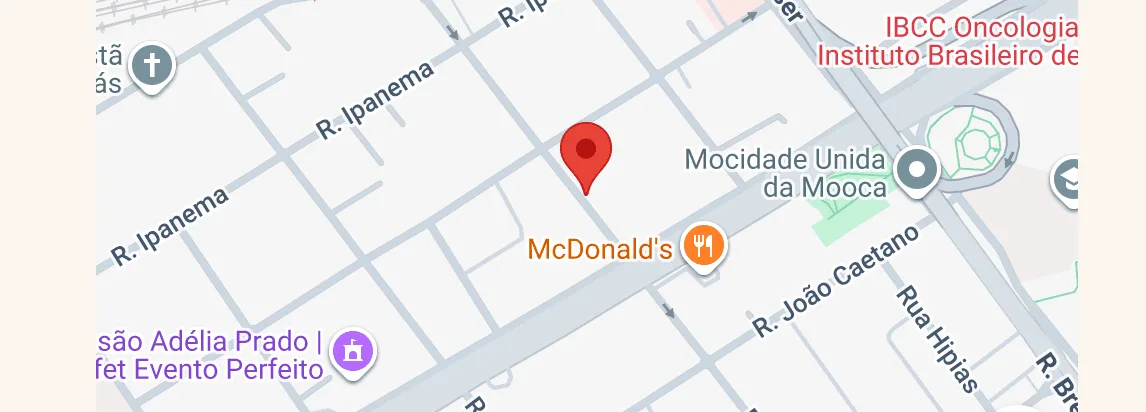 View map
Frequently asked questions
How often should I see the dentist?
+
For most people, every 6 months. People with gum disease or heavy tartar may need visits every 3 to 4 months; low-risk patients may space them out more. The interval is set at the visit.
Are a check-up and a cleaning the same thing?
+
Not exactly. The check-up is the full exam; the cleaning removes plaque and tartar. At a routine visit both are usually done together.
What is in-office fluoride for?
+
Fluoride helps strengthen enamel and makes teeth more resistant to decay. It is recommended according to each person’s cavity risk.
What is a sealant?
+
A thin resin layer that closes the deep grooves of back teeth, where brushing reaches less and decay starts more easily.
Does cleaning wear down teeth or veneers?
+
No. Cleaning removes plaque and tartar without wearing enamel. For veneers, instruments and pastes suited to the material are used.
Are you open in the evening, on Sundays and on holidays?
+
Yes. Patients are seen every day, from 8 a.m. to 10 p.m., including Sundays and public holidays, always by appointment.
Do you accept dental insurance?
+
No. This is a private practice: the office does not work with dental insurance plans. This allows each appointment the time it needs, with materials and planning chosen case by case. Treatment options and payment terms are explained at the assessment, before any decision. If you have a dental plan and want to ask about reimbursement, message us on WhatsApp at +55 (11) 97409-7834 before booking.
See also
- Dental cleaning →
- Gum health →
- How often should you get a dental cleaning? →
- Dental fillings in Mooca →
- Night guard for bruxism in Mooca →
- Dentist in Mooca →
How your first appointment works
Before any treatment, the path is the same, and each step is explained calmly:
- Photo pre-assessment (optional)If you like, you send photos of your smile on WhatsApp and receive initial guidance on what the appointment needs to check. It does not replace the exam.
- Assessment appointmentAn exam of your teeth, gums and bite, and a conversation about what bothers you. The assessment takes about 30 minutes.
- Treatment plan, explainedThe plan is presented before any decision: what is indicated in your case, the steps and what each one involves. You decide in your own time.
- Treatment and follow-upOnce you approve the plan, treatment is done in the agreed sessions, with a follow-up visit for adjustments and periodic maintenance when the treatment calls for it.
Every case is assessed individually: what is possible for your smile is only defined at an appointment. Read more: what a first dental appointment is like →