 Dra. Cléo Salustiano
Porcelain crown in Mooca – Dr. Cléo Salustiano
Open every day, 8 a.m. to 10 p.m., including Sundays and public holidays
A dental crown (a "cap") covers and protects a tooth that has become too weak for a regular filling: heavily restored, fractured or root-canal treated. A porcelain crown is custom-made in a dental lab and reproduces the color and translucency of a natural tooth.
At Dr. Cléo Salustiano’s office (CRO-SP 170844), in Mooca, crowns are part of oral rehabilitation. This page covers crowns on natural teeth; for a missing tooth, see implant crown.
5.0 on Google · 153 reviews · See all reviews →
“… Me transmitiu confiança desde o primeiro momento …”
Kaique F. · Google“… tive todo suporte durante o tratamento e cada etapa foi explicada desde a necessidade no momento do orçamento até a conclusão. …”
Juh F. · Google“… explica tudo detalhadamente, minuciosa da entrada até o final do atendimento. …”
Nicoly S. · Google
Reviews written in Portuguese, shown as posted on Google.
Book an assessment on WhatsAppPorcelain, zirconia or porcelain-fused-to-metal?
| Material | Features | Usually used |
|---|---|---|
| Porcelain (ceramic) | Translucency similar to a natural tooth | Front teeth and when aesthetics matter most |
| Zirconia | Very strong | Back teeth and strong bites; some options combine zirconia and porcelain |
| Porcelain-fused-to-metal | Traditional and strong | May show a dark line near the gum over time |
How a crown is made
- AssessmentExam of the tooth, gum and bite, plus an X-ray.
- What comes firstCavities, gum problems or root canal are treated first. Sometimes the tooth needs a core build-up.
- Preparation and impressionThe tooth is prepared and the impression goes to the lab. Meanwhile you wear a temporary crown.
- Try-in and cementationThe crown is tried in, adjusted and cemented, with a follow-up visit.
How long it lasts and what defines the cost
A well-fitted, well-cared-for crown usually lasts many years. Decay at the margin, gum inflammation, grinding and missed check-ups shorten its life.
The cost depends on the material, the lab and whether a core or root canal is needed first. It is presented after the assessment.
Address and contact
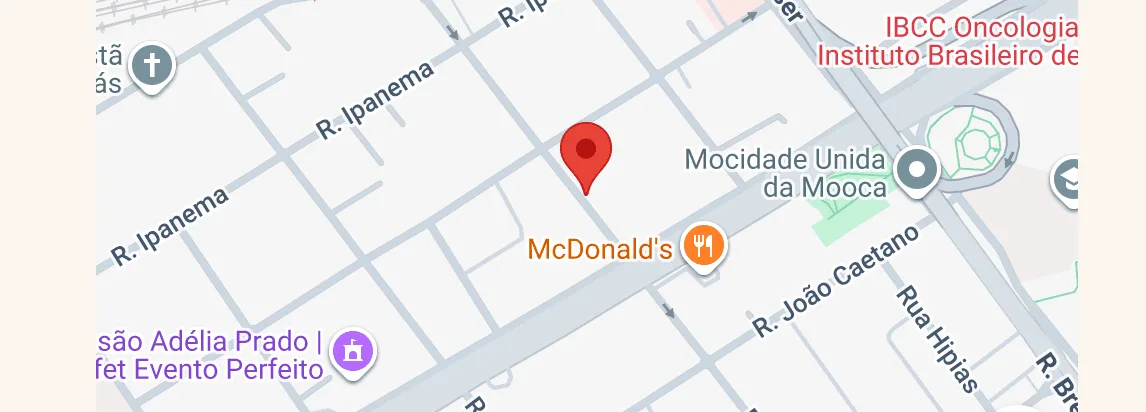 View map
Frequently asked questions
What is the difference between a crown and a veneer?
+
A veneer covers only the front of the tooth, for color and shape. A crown covers the whole tooth and protects a weakened tooth.
Porcelain or zirconia?
+
Zirconia is very strong and often used where the bite is heavy; porcelain has very natural translucency and is widely used on front teeth. The choice is made at the assessment.
Does every root-canal tooth need a crown?
+
Not every one, but many, especially back teeth. It depends on how much tooth is left.
My implant crown came loose or fell off. What should I do?
+
Keep the crown, avoid chewing on that side and do not glue it at home. An implant crown can come loose because the screw loosened or the cement gave way, and it can often be reused after assessment. The office is open every day, 8 a.m. to 10 p.m., Sundays and holidays included. More on the implant crown page.
Will I be without a tooth while the crown is made?
+
No. A temporary crown is used while the final one is made.
Are you open in the evening, on Sundays and on holidays?
+
Yes. Patients are seen every day, from 8 a.m. to 10 p.m., including Sundays and public holidays, always by appointment.
Do you accept dental insurance?
+
No. This is a private practice: the office does not work with dental insurance plans. This allows each appointment the time it needs, with materials and planning chosen case by case. Treatment options and payment terms are explained at the assessment, before any decision. If you have a dental plan and want to ask about reimbursement, message us on WhatsApp at +55 (11) 97409-7834 before booking.
See also
- Crowns, bridges and dentures in Mooca →
- Implant crown →
- Oral rehabilitation in Mooca →
- Why does a tooth need a crown after a root canal? →
- Dental fillings in Mooca →
- Night guard for bruxism in Mooca →
How your first appointment works
Before any treatment, the path is the same, and each step is explained calmly:
- Photo pre-assessment (optional)If you like, you send photos of your smile on WhatsApp and receive initial guidance on what the appointment needs to check. It does not replace the exam.
- Assessment appointmentAn exam of your teeth, gums and bite, and a conversation about what bothers you. The assessment takes about 30 minutes.
- Treatment plan, explainedThe plan is presented before any decision: what is indicated in your case, the steps and what each one involves. You decide in your own time.
- Treatment and follow-upOnce you approve the plan, treatment is done in the agreed sessions, with a follow-up visit for adjustments and periodic maintenance when the treatment calls for it.
Every case is assessed individually: what is possible for your smile is only defined at an appointment. Read more: what a first dental appointment is like →